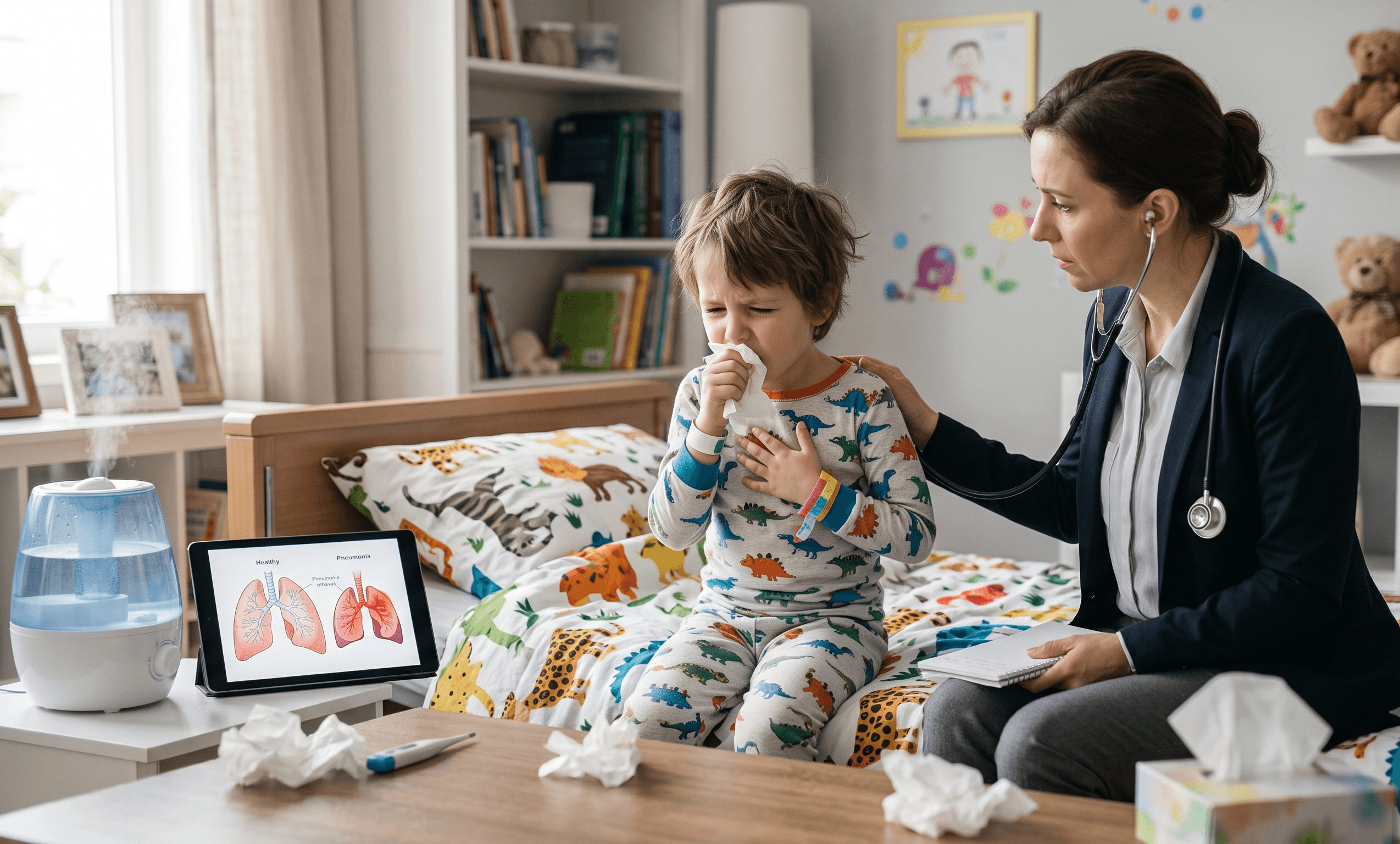
Pneumonia: Symptoms, Causes, Treatment & Prevention
Dr. Mayur Kumar Goyal
Published on June 22, 2026
Pneumonia: Symptoms, Causes, Treatment & Prevention
Pneumonia is a common yet serious lung infection that affects millions of people every year. While some cases are mild and recover with proper treatment, others can become life-threatening if ignored. Young children, older adults, and people with weak immune systems are especially at risk.
If you've ever wondered what pneumonia is, how it develops, or when you should seek medical help, this guide will help you understand everything in simple terms.
What is Pneumonia?
Pneumonia is an infection that causes inflammation in one or both lungs. Inside the lungs are tiny air sacs called alveoli that help exchange oxygen. When pneumonia occurs, these air sacs fill with fluid or pus, making it difficult for the lungs to function properly.
As a result, patients may experience coughing, fever, chest pain, and difficulty breathing.
What Are the Common Symptoms of Pneumonia?
- Persistent cough
- Fever and chills
- Shortness of breath
- Chest pain while breathing or coughing
- Rapid breathing
- Fatigue and weakness
- Excessive sweating
- Loss of appetite
- Nausea or vomiting
- Confusion, especially in older adults
In children, symptoms may include irritability, poor feeding, and unusually fast breathing.
What Causes Pneumonia?
1. Bacterial Pneumonia
Bacterial pneumonia is often caused by Streptococcus pneumoniae bacteria and may lead to high fever, productive cough, chest pain, and severe weakness.
2. Viral Pneumonia
Viruses such as influenza, RSV, and coronavirus can also cause pneumonia and often begin with flu-like symptoms.
3. Fungal Pneumonia
Fungal pneumonia is less common and usually affects individuals with weakened immune systems.
4. Aspiration Pneumonia
This occurs when food, saliva, liquids, or vomit accidentally enter the lungs, leading to infection and inflammation.
Who Is More Likely to Develop Pneumonia?
- Infants and young children
- Adults over 65 years of age
- Smokers
- People with asthma or COPD
- Diabetic patients
- Individuals with heart disease
- People with weakened immunity
- Patients recovering from viral infections
Poor nutrition, air pollution, and crowded living conditions can also increase the risk.
Different Types of Pneumonia
- Community-Acquired Pneumonia (CAP) – Occurs outside hospitals or healthcare facilities.
- Hospital-Acquired Pneumonia (HAP) – Develops during hospitalization and can be more serious.
- Walking Pneumonia – A milder form where patients often continue their daily activities.
- Severe Pneumonia – May require emergency treatment and intensive care support.
How Does Pneumonia Spread?
- Coughing and sneezing
- Close contact with infected individuals
- Contaminated surfaces
- Airborne respiratory droplets
How Is Pneumonia Diagnosed?
If pneumonia is suspected, doctors may recommend:
- Chest X-ray
- Blood tests
- Sputum examination
- Pulse oximetry
- CT scan in severe cases
Treatment Options for Pneumonia
Antibiotics
Bacterial pneumonia is usually treated with antibiotics. Completing the full course is essential.
Antiviral Medications
Certain viral infections may require antiviral treatment.
Medicines for Fever and Pain
Doctors may prescribe medicines to reduce fever, body aches, and chest discomfort.
Oxygen Therapy
Patients experiencing low oxygen levels or breathing difficulties may require oxygen support.
Hospitalization
Hospital admission may be necessary for elderly patients, young children, and individuals with severe symptoms.
Home Care Tips for Faster Recovery
- Drink plenty of fluids
- Get adequate rest
- Avoid smoking
- Eat healthy, nutritious meals
- Complete all prescribed medications
- Use a humidifier if advised by your doctor
- Avoid strenuous activities until fully recovered
What Happens If Pneumonia Is Left Untreated?
- Lung abscess
- Respiratory failure
- Sepsis (blood infection)
- Fluid accumulation around the lungs
- Organ failure
In severe cases, untreated pneumonia can become life-threatening.
Pneumonia in Children
Children are more vulnerable because their immune systems are still developing.
- Rapid breathing
- Wheezing
- Fever
- Poor feeding
- Bluish lips
- Persistent crying
Parents should seek immediate medical attention if a child develops breathing difficulties.
Pneumonia in Older Adults
Older adults may experience confusion, extreme weakness, drowsiness, and reduced appetite rather than high fever.
Can Pneumonia Be Prevented?
- Get vaccinated against pneumococcal disease, influenza, and COVID-19.
- Practice good hand hygiene.
- Avoid smoking.
- Eat a balanced diet.
- Avoid close contact with sick individuals.
- Cover your mouth while coughing or sneezing.
When Should You See a Doctor?
- Difficulty breathing
- High fever
- Persistent chest pain
- Bluish lips or fingernails
- Severe weakness
- Confusion
Early diagnosis and treatment greatly improve recovery outcomes.
Final Thoughts
Pneumonia is a serious lung infection that should never be ignored. Symptoms such as persistent cough, fever, chest pain, and breathing difficulties require timely medical attention. The good news is that with early diagnosis, appropriate treatment, and proper care, most patients recover completely. Staying vaccinated, maintaining good hygiene, eating a healthy diet, and avoiding smoking can significantly reduce your risk of developing pneumonia.