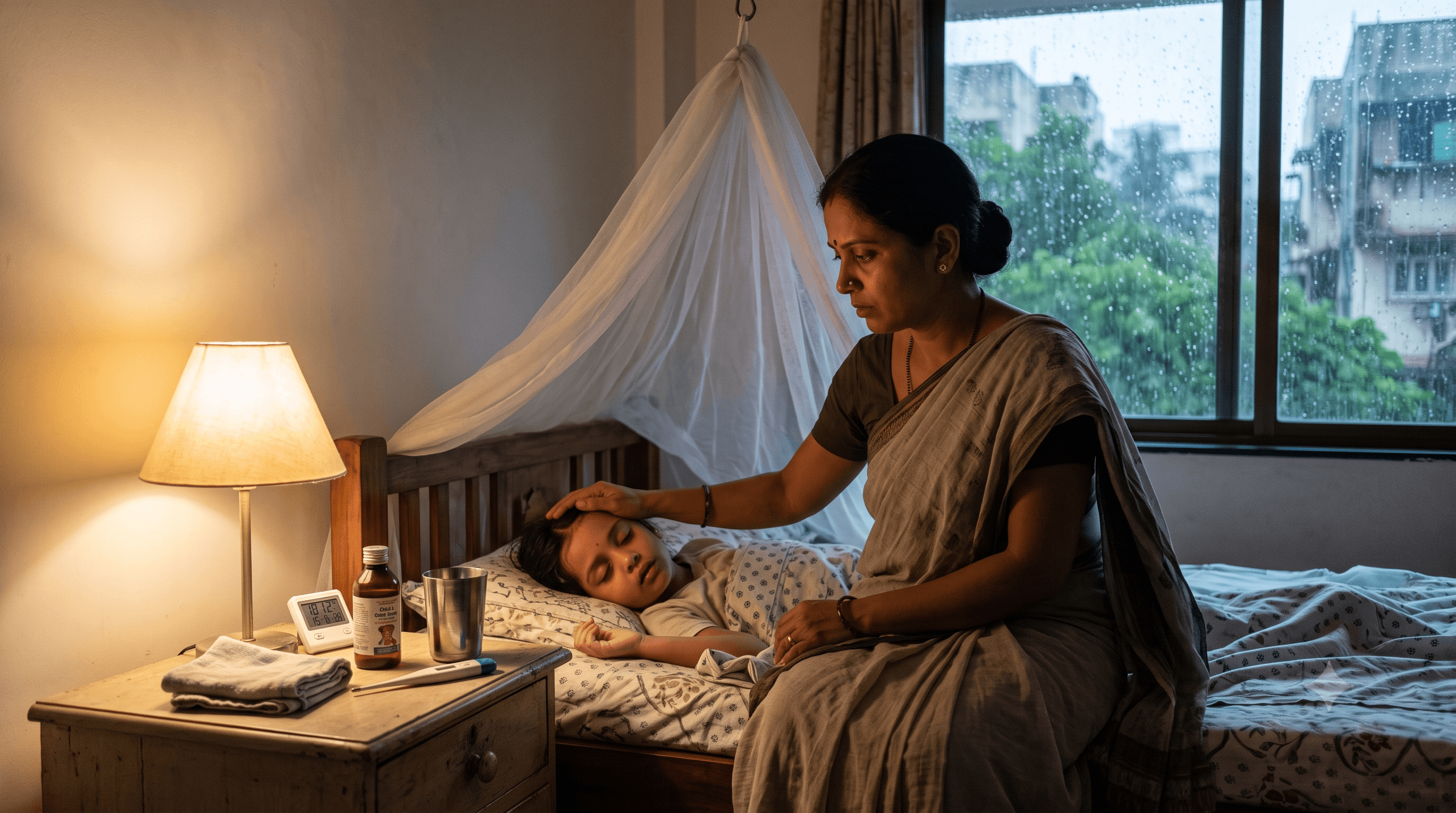
Dengue, Malaria & Chikungunya in Children: Warning Signs Parents Should Never Ignore
Dr. Mayur Kumar Goyal
Published on July 17, 2026
Dengue, Malaria & Chikungunya in Children: Warning Signs Parents Should Never Ignore
Monsoon brings welcome relief from the summer heat, but it also increases the risk of mosquito-borne diseases such as dengue, malaria, and chikungunya. Children are particularly vulnerable because their immune systems are still developing, making them more susceptible to infections and complications. While these illnesses often begin with common symptoms like fever, they can quickly become serious if left untreated.
As a parent, understanding the early warning signs and seeking timely medical care can make a significant difference in your child's recovery. Knowing what to watch for helps ensure that your child receives the right treatment before the condition worsens.
Understanding Dengue in Children
Dengue is a viral infection transmitted through the bite of infected Aedes mosquitoes, which usually bite during the daytime. It commonly occurs during the rainy season due to stagnant water that serves as breeding grounds for mosquitoes.
Children with dengue typically develop a sudden high fever that may last for several days. Along with fever, they may complain of severe headache, pain behind the eyes, muscle and joint pain, nausea, vomiting, loss of appetite, and skin rashes. Although many children recover with proper hydration and medical supervision, some may develop severe dengue, which requires immediate hospitalization.
Parents should never ignore symptoms such as persistent vomiting, severe abdominal pain, unusual sleepiness, difficulty breathing, bleeding from the gums or nose, blood in vomit or stool, or cold and clammy hands and feet. These signs may indicate that the disease is progressing to a more dangerous stage and needs urgent medical attention.
Understanding Malaria in Children
Malaria is caused by parasites transmitted through the bite of infected female Anopheles mosquitoes. Unlike dengue, malaria often causes recurring episodes of fever accompanied by chills and sweating.
A child suffering from malaria may experience high fever, shaking chills, excessive sweating, weakness, headache, body aches, vomiting, poor appetite, and fatigue. In younger children, symptoms may be less specific and include irritability, drowsiness, refusal to eat, or excessive crying.
If malaria is not diagnosed and treated promptly, it can lead to serious complications such as severe anemia, seizures, breathing difficulties, and damage to vital organs. Parents should seek immediate medical evaluation whenever a child develops repeated fever with chills, especially during the monsoon season or after mosquito exposure.
Understanding Chikungunya in Children
Chikungunya is another viral disease spread by Aedes mosquitoes. Although it is generally less dangerous than severe dengue, it can cause considerable discomfort and prolonged joint pain.
Children with chikungunya often develop sudden fever accompanied by severe joint pain. They may also experience muscle pain, headache, skin rash, swelling around the joints, tiredness, and reduced physical activity. While most children recover within one to two weeks, joint pain may continue for several weeks in some cases.
Although complications are uncommon, persistent fever, dehydration, excessive weakness, confusion, or difficulty walking should never be ignored and require prompt medical assessment.
How to Differentiate Between Dengue, Malaria, and Chikungunya
The symptoms of these three diseases often overlap, making it difficult for parents to identify the exact illness at home. Dengue usually presents with high fever, body pain, rash, and low platelet counts. Malaria is more commonly associated with fever cycles, chills, and sweating. Chikungunya is characterized by severe joint pain that may continue even after the fever subsides.
Since the symptoms are similar, laboratory investigations are essential for an accurate diagnosis. Doctors may recommend blood tests to identify the specific infection and determine the appropriate treatment. Self-diagnosis or home treatment without medical advice may delay proper care and increase the risk of complications.
Warning Signs Parents Should Never Ignore
Every fever during the rainy season deserves careful attention, especially in children. Certain symptoms indicate that the illness may be becoming severe and require immediate medical evaluation.
If your child has persistent high fever lasting more than two days, repeated vomiting, severe abdominal pain, excessive sleepiness, confusion, breathing difficulty, inability to drink fluids, reduced urine output, seizures, bleeding from the nose or gums, black stools, blood in vomit, severe weakness, or becomes unusually irritable or unresponsive, seek emergency medical care without delay.
Early medical intervention can prevent serious complications and significantly improve recovery outcomes.
Diagnosis and Treatment
Doctors diagnose these infections based on symptoms, physical examination, and specific blood tests. Dengue is confirmed through NS1 antigen tests, IgM antibody tests, or other laboratory investigations. Malaria is diagnosed using blood smear examination or rapid malaria antigen tests. Chikungunya is confirmed through antibody testing or PCR tests in certain cases.
Treatment depends on the specific disease. Dengue primarily requires supportive care, including adequate hydration, fever management, and close monitoring of platelet counts and warning signs. Malaria requires antimalarial medications that target the parasite. Chikungunya treatment mainly focuses on relieving fever, managing joint pain, maintaining hydration, and ensuring adequate rest.
Parents should avoid giving aspirin or ibuprofen to children with suspected dengue unless specifically advised by a doctor, as these medications may increase the risk of bleeding. Paracetamol is generally considered safer for fever management when prescribed appropriately.
Preventing Mosquito-Borne Diseases in Children
Prevention remains the most effective way to protect children from dengue, malaria, and chikungunya. Parents should eliminate stagnant water around their homes, including water collected in buckets, flower pots, coolers, discarded tires, and containers where mosquitoes can breed.
Children should wear full-sleeved clothing, especially during mosquito-active hours. Sleeping under mosquito nets, using child-safe mosquito repellents, installing window screens, and keeping the surroundings clean can significantly reduce mosquito exposure. Schools and communities should also participate in mosquito control efforts by maintaining proper sanitation and preventing water stagnation.
Encouraging children to stay hydrated, eat a balanced diet, and seek medical attention promptly whenever fever develops during the monsoon season also supports early recovery and reduces the risk of complications.
When Should Parents Visit a Pediatrician?
Parents should never wait for symptoms to become severe before consulting a pediatrician. Any child with high fever lasting more than 24 to 48 hours during the monsoon season should undergo proper medical evaluation. Early diagnosis allows doctors to begin appropriate treatment before complications develop.
Even if the fever initially appears mild, continuous monitoring is important because conditions like dengue may worsen after the fever starts improving. Following your pediatrician's advice regarding hydration, medications, blood tests, and follow-up visits ensures the safest recovery for your child.
Final Thoughts
Dengue, malaria, and chikungunya are common mosquito-borne illnesses that affect thousands of children every year, particularly during the rainy season. Although these diseases often begin with similar symptoms, they require timely diagnosis and appropriate medical care to prevent serious complications.
Parents should remain alert for warning signs such as persistent high fever, severe abdominal pain, repeated vomiting, bleeding, breathing difficulties, dehydration, unusual sleepiness, or seizures. Prompt consultation with a pediatrician can lead to early diagnosis, effective treatment, and a faster recovery.
Protecting children from mosquito bites, maintaining a clean environment, and seeking medical attention at the first sign of illness are the best ways to safeguard your child's health during the monsoon season.